
 English



 Women
Women
 Bottom Wear
 Western Wear
 Maternity Wear
 Women's Inners
 Men's
Men's
 Men Traditional Wear
 Men Western Wear
 Men Inners

Modern Fits
Understanding Fit In Modern Clothing
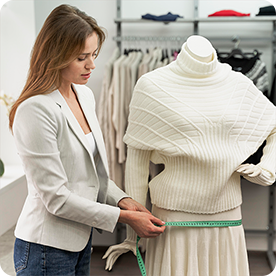
Modern clothing is defined less by trends and more by how it adapts to real movement, real routines, and real bodies. Fit has become the central conversation in everyday wear because it directly affects comfort, confidence, and longevity. When clothing fits well, it does not compete for attention. It supports the wearer quietly, allowing personal style to feel natural rather than forced.
The Shift Toward Modern Fit
Fit has evolved from rigid structures to more adaptive forms. Earlier approaches often focused on appearance alone, prioritizing sharp outlines over ease. Modern fits acknowledge that daily life demands flexibility. Clothing today is designed to respond to motion, posture, and long hours of wear. This shift reflects a deeper understanding that fit is not about restriction, but balance.
How Fit Shapes Comfort
Comfort begins with fit. When clothing aligns with the body’s natural form, it reduces friction and pressure points. Modern fits focus on allowing space where movement occurs while maintaining structure where support is needed. This balance creates garments that feel stable without feeling tight. Over time, well-fitted clothing becomes easier to wear, making comfort feel effortless rather than engineered.
Proportion Over Tightness
A common misunderstanding is that modern fit means tighter silhouettes. In reality, it is about proportion. Clothing should follow the body without clinging to it. Thoughtful proportions allow garments to drape naturally, creating a clean appearance without limiting motion. When proportions are right, clothing feels intentional and relaxed at the same time.
Movement as a Design Priority
Modern clothing is built with movement in mind. Sitting, walking, bending, and reaching are part of daily life, and fit must accommodate these actions. A modern fit adapts without losing shape, maintaining consistency throughout the day. When garments respond smoothly to motion, they feel dependable, allowing wearers to move confidently without constant adjustment.
Fit and Visual Balance
Fit also plays a crucial role in how clothing looks while being worn. Balanced fits create clean lines that enhance presence without exaggeration. When garments sit correctly on the body, they create visual harmony. This balance allows clothing to complement the wearer rather than overpower them, making style feel calm and composed.
Everyday Versatility
Modern fits are designed for repetition. Clothing that fits well becomes a reliable choice, suitable for varied moments throughout the day. Versatility comes from predictability. When you know how a garment will feel and move, it becomes easier to wear it often. This consistency reduces decision fatigue and builds trust in everyday clothing.
Longevity Through Better Fit
Fit directly affects how clothing ages. Garments that are too tight strain seams, while those too loose lose structure quickly. Modern fits aim for durability by respecting fabric behavior and body movement. When fit is correct, clothing maintains its shape longer, preserving comfort and appearance over repeated use.
Confidence Built Into Design
Clothing that fits well supports confidence without drawing attention to itself. There is a quiet assurance that comes from knowing your clothing will move with you, not against you. Modern fits encourage this confidence by prioritizing ease, balance, and adaptability. Over time, this creates a deeper connection between the wearer and what they wear.
Understanding fit in modern clothing is about recognizing how design meets daily life. When fit is thoughtful, clothing becomes supportive, dependable, and naturally comfortable. It is this harmony that defines modern fits and makes everyday dressing feel right.
Trending Now
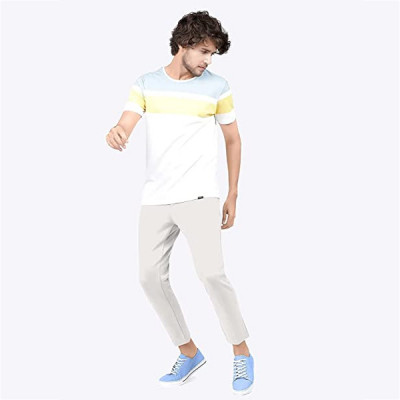
Men's Slim Fit Formal Trousers/Pant
Rs.543.00
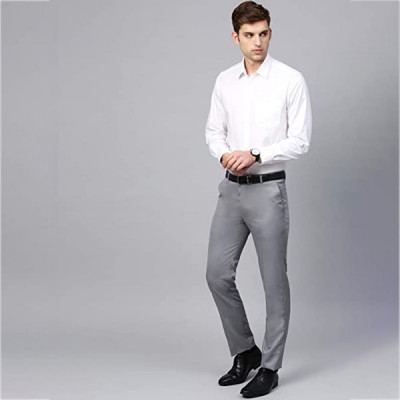
Men's Slim Fit Formal Trousers
Rs.707.00
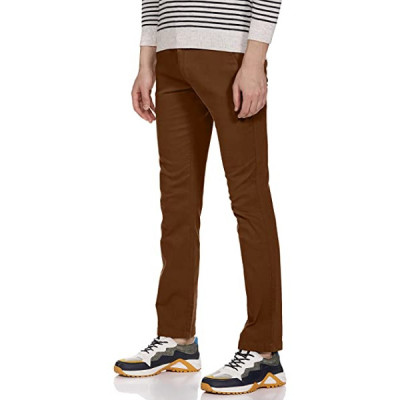
Men's Slim Casual Trouser
Rs.800.00
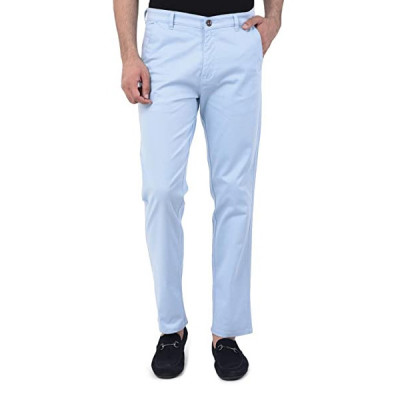
Men's Regular Fit Pants
Rs.544.00
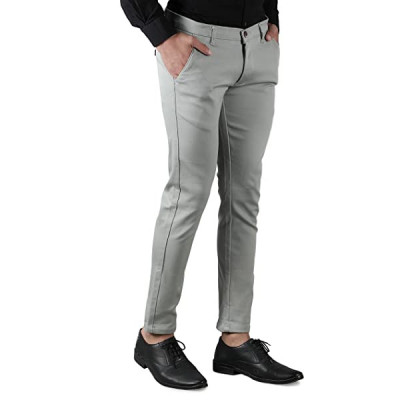
Textured Stretchable Trousers for Men
Rs.899.00
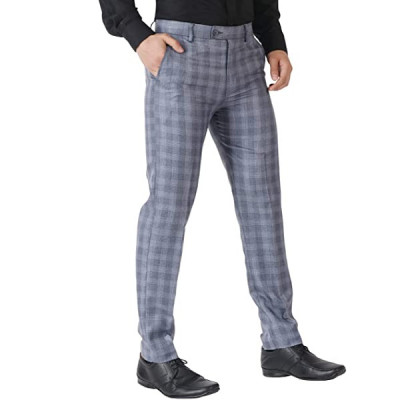
Men's Slim Fit Checkered Trouser
Rs.499.00
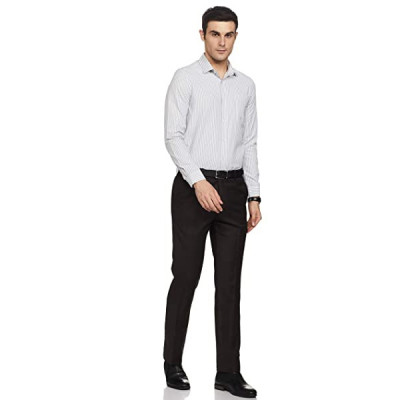
Men's Regular Pants
Rs.2,344.00